
From Single‑Family to 8‑Plex: What Sacramento’s New Zoning Rules Mean for Small Investors and Homeowners
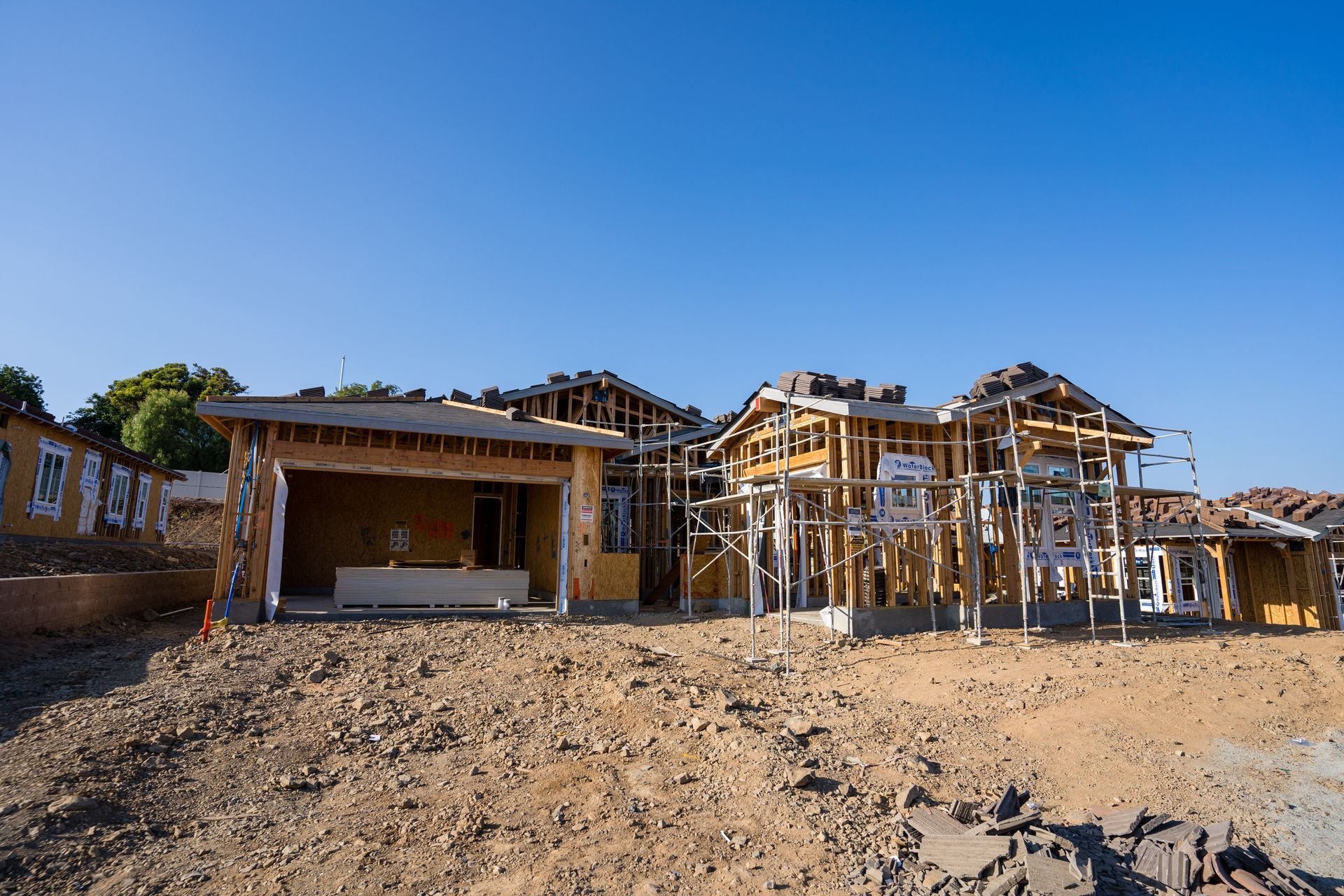
Sacramento has quietly become one of the most pro‑housing cities in the country, and the newest zoning rules are a game changer for regular homeowners and small investors. With the city now allowing multi‑unit housing on lots that used to be strictly single‑family, a typical bungalow lot can realistically become anything from a house with an accessory unit to a small 6‑ or 8‑plex, depending on size and location. If you own a home, want to house‑hack, or are thinking about becoming a small landlord in Sacramento, these changes could dramatically alter your options.
What Changed In Sacramento’s Zoning
Sacramento’s City Council adopted a “Missing Middle Housing” ordinance that opens up all traditional single‑family zones (R‑1 and similar) to neighborhood‑scale multi‑unit buildings.
Key points of the ordinance:
- Single‑family‑only zoning has effectively been eliminated in much of the city; small multi‑unit projects are now allowed in former single‑family neighborhoods.
- Density limits (units per lot) have largely been replaced with building size limits based on floor area and height, typically up to about 2.5 stories for neighborhood‑scale projects.
- The code explicitly allows housing types like four‑plexes, six‑plexes, eight‑plexes, cottage courts, and small‑lot homes, as long as they meet the form and design standards.
- The rules are tied to the 2040 General Plan, which directs the city to encourage more small multi‑unit buildings across existing neighborhoods rather than only in large apartment zones.
The big philosophical shift is this: instead of asking “How many units are you allowed?” the city now asks “Does the building fit the neighborhood in size and form?” That’s why an 8‑plex can be allowed on a lot that used to be single‑family, if it still looks and feels like a small apartment building that matches nearby homes in height and massing.
From Single‑Family To 8‑Plex: What’s Actually Possible On A Lot
Not every single‑family lot will support an 8‑plex, but almost every lot has more potential than before.
Typical new possibilities include:
- House + ADU + junior ADU (a traditional “house‑hack” evolution)
- Duplex, triplex, or four‑plex on a former single‑family parcel
- Six‑plex or 8‑plex where the lot is larger or near transit, within the size and height limits
- Cottage court: several small units arranged around a shared courtyard
- Small‑lot subdivisions, with multiple small homes in place of one larger house
The ordinance pairs these options with:
- Objective design standards, so projects must still respect neighborhood scale, height, and setbacks.
- Requirements for trees and open space, preserving some yard and shade while allowing more units.
- A focus on “attainable” housing, encouraging smaller units that are more affordable to middle‑income residents.
If you’re used to thinking, “My R‑1 lot = one house,” that mental model is now outdated. In many cases, your property is now a small development site in the eyes of zoning.
Why Sacramento Is Doing This
Sacramento’s zoning changes are a response to intense housing pressure, state‑level requirements, and a desire to prevent sprawl.
Main goals behind the reforms:
- Produce more homes in existing neighborhoods to reduce the housing shortage.
- Offer “missing middle” options between single‑family homes and large apartment complexes.
- Support affordability by making smaller units and shared land costs more common.
- Align with state laws that encourage higher housing capacity and transit‑oriented development.
Sacramento was also recognized as the first “Prohousing” city in California, and the Missing Middle ordinance is a key part of that pro‑housing identity. For small investors and homeowners, that means the city is structurally on your side if you want to add housing in a neighborhood‑friendly way.
What This Means For Existing Homeowners
If you already own a home in Sacramento, these changes affect your property’s value, options, and long‑term strategy.
Practical implications:
- Your lot may now support more units than before, increasing its “development value.”
- You can potentially add units over time: start with an ADU, then a conversion, then additional units if the site allows.
- Buyers may now look at your house as both a home and a future small apartment site, changing how they evaluate it.
- Over the long term, neighborhoods may gradually see more duplexes, 4‑plexes, and small courts mixed with existing homes.
For many homeowners, the best first step is simply understanding what your lot is now allowed to have: maximum floor area, height, parking requirements, and whether anything like design review applies.
Opportunity #1: House‑Hacking And Living In One Unit
For first time buyers and move‑up buyers, the new zoning rules make house‑hacking more accessible.
You might:
- Buy a small multi‑unit property (triplex, 4‑plex, etc.) and live in one unit while renting the others.
- Convert part of an existing home into a separate unit, or add a detached ADU plus a small internal unit.
- Use rent from additional units to offset your mortgage, making ownership more attainable for a first time buyer.
Under the new rules, what used to be “one house and nothing more” can now be “my home plus several units,” often within the same general building envelope the neighborhood already allows.
Opportunity #2: Creating Long‑Term Rental Income
Small investors now have more paths to generate stable rental income from a single parcel.
Typical strategies include:
- Converting an underused large single‑family home into multiple smaller units within the same shell (where building code allows).
- Demolishing a functionally obsolete house and rebuilding a small 6‑ or 8‑unit building that still fits the neighborhood.
- Building cottage court units behind an existing home, maintaining street character while adding density.
Because the ordinance emphasizes neighborhood scale, you’re not building a high‑rise; you’re adding more front doors within a familiar building type. That can be appealing to renters who want a quieter, residential feel but can’t afford a full single‑family house.
Opportunity #3: Exit Strategies For Owners Who Want To Sell
If you’re thinking, “I want to sell my house in the next few years,” zoning reform changes how you might market and price your property.
New exit options:
- Sell directly to another homeowner who just wants a house, but price with a premium for the extra development potential.
- List the property explicitly as a “small development opportunity” with concept sketches for 4–8 units, subject to city approvals.
- Bundle adjacent lots (if you or your neighbors are willing) to create a more attractive small‑project site for an investor or builder.
The best realtor in Sacramento for this type of sale will know how to tell the zoning story: what is allowed now, what a conceptual plan might look like, and what that could mean for an investor’s returns.
Key Constraints: It’s Not A Free‑For‑All
Even though the rules are more flexible, they are not unlimited.
Common constraints include:
- Floor area ratio (FAR): There’s a maximum overall building size relative to lot size.
- Height limits: Most neighborhood areas still cap out around two to three stories.
- Setbacks and open space: You must still keep certain distances from property lines and preserve required yard or open space areas.
- Parking: Some projects must provide on‑site parking, though near transit, requirements may be reduced or more flexible.
- Objective design standards: Exterior character, rooflines, entries, and landscaping must follow design rules so the building fits into the neighborhood.
Because of these limits, the step from a single‑family home to a full 8‑plex is not automatic on every lot. The maximum feasible unit count depends heavily on lot width, depth, access, and whether you can meet all site standards.
How This Interacts With ADU And State Laws
Sacramento’s zoning upgrades layer on top of statewide tools like ADUs (accessory dwelling units) and lot‑split laws.
Important connections:
- ADUs are still allowed, often with streamlined approvals, which means you can combine ADUs with missing‑middle forms in some situations.
- State laws encouraging gentle density near transit complement the city’s approach, making more ambitious small projects realistic along key corridors.
- County and city rules can differ at the edges of the city, so always confirm whether you are in city limits or county jurisdiction.
For small investors, these layers mean that a conservative plan (house + ADU) and a more ambitious plan (4‑plex or 6‑plex) can both be valid options on the same property, depending on your budget and risk tolerance.
Risk #1: Construction Costs And Interest Rates
Zoning is only one piece of the puzzle. Even if you’re allowed to build an 8‑plex, the numbers have to pencil out.
Key financial pressures:
- Higher construction and labor costs compared with a few years ago.
- Financing for small multi‑unit projects may require more equity and higher rates than traditional home loans.
- Carrying costs (taxes, insurance, interest during construction) can add up quickly if permits or construction take longer than expected.
This is why many owners will start with lower‑cost moves, like adding an ADU or converting a garage, before attempting a full tear‑down and rebuild.
Risk #2: Neighborhood Reactions And Market Timing
Even though the city supports more units, neighbors may be wary of change.
Potential issues:
- Resistance to perceived “over‑building” or parking stress on the street.
- Appeals or public comments during approval processes if a project is close to the line on size or scale.
- Market cycles: if you complete a project during a soft rental or sales market, lease‑up and sale prices might be lower than pro‑forma.
Because of these factors, working with professionals who know local politics, planning staff, and realistic timelines becomes critical.
Practical Steps For Small Investors And Homeowners
If you’re serious about taking advantage of the new rules, think in phases.
1. Clarify your goal
- Do you want to house‑hack, generate retirement income, or maximize a sale price?
- Are you comfortable managing tenants, or would you prefer to sell once a project is entitled or partially built?
2. Get a zoning and feasibility snapshot
- Verify your zoning, maximum building size, and height.
- Look for any overlays (historic districts, flood zones, etc.) that might change what’s allowed.
3. Run the numbers at different scales
- Scenario A: House + ADU.
- Scenario B: Duplex or 4‑plex.
- Scenario C: 6‑ or 8‑unit building, if the lot is appropriate.
- Compare total costs, likely rents, loan payments, and long‑term cash flow.
4. Build your local team
- A local architect or designer who understands Sacramento’s missing‑middle standards.
- A contractor with experience in small infill projects.
- A lender familiar with 2–8 unit financing.
- The best realtor in Sacramento for investment and small multi‑family properties, to guide acquisition, pricing, and exit strategies.
5. Move in stages
- You might start with a simple ADU or duplex conversion to build experience.
- As you grow more comfortable, you can pursue larger redevelopments or multiple parcels.
What This Means For First Time Buyers
For a first time buyer, Sacramento’s new zoning rules are not just an abstract policy change—they can shape your entire path to ownership.
Potential advantages:
- More small units for sale: duplexes, triplexes, and 4‑plexes, some of which you can live in while renting out other units.
- More entry‑level ownership options if the city’s goal of “entry‑level homeownership” through smaller units takes root.
- The chance to buy a “future 4‑plex site” today at a single‑family price, then add units later as your finances and experience grow.
Risks and considerations:
- You may compete with investors for the same properties, especially on larger lots.
- Construction in the neighborhood may increase as more owners add units, affecting noise and parking in the short term.
- You’ll want to think like both a homeowner and an investor when choosing a property, not just focusing on the current house but also the long‑term potential.
For first time buyers who are intentional, these reforms can turn a starter home into the foundation of a long‑term wealth‑building plan.
Working With A Local Expert
Because Sacramento’s zoning reforms are detailed and evolving, having a local guide is essential.
A strong local real estate professional can help you:
- Identify properties with the best mix of current livability and future development potential.
- Connect you with architects, lenders, and contractors who understand missing‑middle housing.
- Market your property correctly if your goal is to sell my house at a premium for its redevelopment potential.
- Navigate trade‑offs between cash flow, appreciation, and risk as you consider duplexes, 4‑plexes, or an 8‑plex strategy.
When interviewing agents, ask specifically about their experience with multi‑unit properties, ADUs, and Sacramento’s 2040 General Plan and Missing Middle ordinance.
Final Thoughts: A New Era For Small‑Scale Multifamily
Sacramento’s shift from strict single‑family zoning toward allowing four‑plexes, six‑plexes, and even eight‑plexes in traditional neighborhoods marks the start of a new era for small investors and everyday homeowners. For some, the best move will be modest—an ADU or a duplex conversion. For others, especially those with larger lots or higher risk tolerance, a small apartment building may now be a realistic goal.
The key is to treat your property not only as a home, but as a flexible platform that can evolve with your life: from single‑family to duplex, from duplex to small plex, from homeowner to investor. With clear goals, good information, and the right local team, Sacramento’s new zoning rules can open doors that simply didn’t exist a few years ago.