How Do Showings and Open Houses Work?
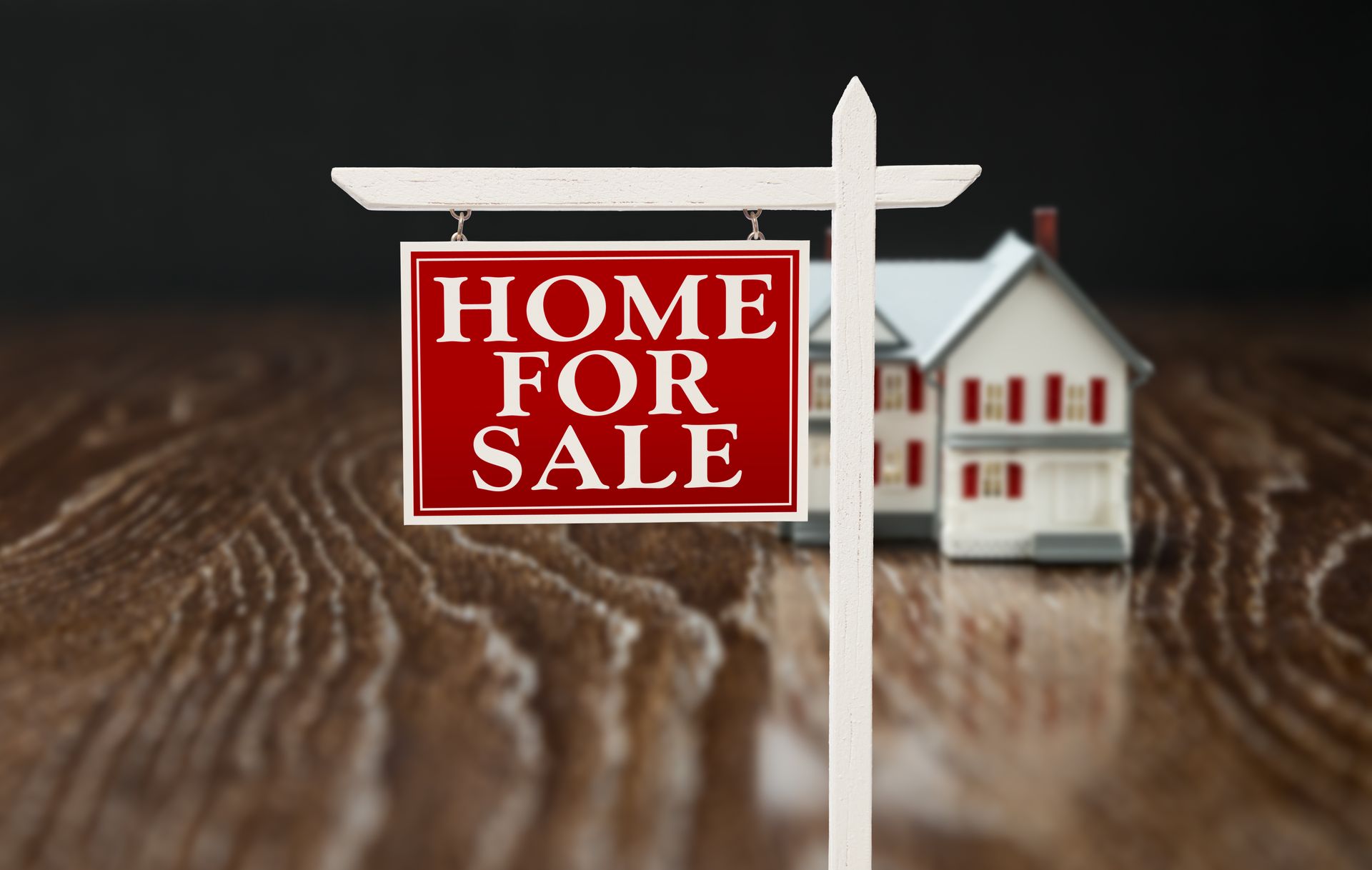
Showings and open houses are the main ways buyers experience your home before making an offer. In Sacramento, they are usually part of a larger selling strategy that helps create interest, gather feedback, and attract serious buyers while keeping the process organized for the seller.
A showing is a scheduled visit, usually private or small-group, where an interested buyer tours the home with their agent. An open house is a set time when the home is available to multiple visitors at once, often on a weekend, so buyers can stop by without making an appointment.
The Purpose Of Showings
Showings let buyers see the home in person and compare it with the photos, price, and description they saw online. This is where they notice layout, natural light, condition, flow, noise, and neighborhood feel. A strong showing can turn casual interest into a real offer.
For sellers, showings are useful because they create direct opportunities for buyers to connect with the property. The more appealing the home feels in person, the more likely it is to move from “maybe” to “yes.” In many cases, the showing is where the emotional decision starts.
A good showing also helps filter buyers. People who take the time to schedule a visit are usually more serious than people who only browse listings online. That does not guarantee an offer, but it does mean the home is reaching people with real intent.
How A Showing Usually Works
Most showings are scheduled through an agent. The buyer’s agent requests a time, the seller or listing agent confirms availability, and the home is prepared before the visit. This keeps traffic controlled and gives the seller a chance to present the property well.
During the showing, buyers walk through the home, take notes, and ask questions. They usually focus on layout, condition, storage, light, neighborhood, and whether the home feels like a fit. If they are serious, they may also ask about disclosures, upgrades, and the timing of the sale.
Afterward, the buyer and their agent talk about whether the home is worth pursuing. Sometimes they are ready to write an offer right away. Other times they move on to the next property. That is why making the showing experience as strong as possible matters so much.
How Open Houses Work
Open houses are typically hosted for a few hours at a time, often on weekends when more buyers are available. Signs, online listings, and marketing usually direct traffic to the home, and visitors can stop in without a private appointment. That convenience is one reason open houses remain popular.
Inside the home, a host greets visitors, answers questions, and often asks them to sign in. The sign-in helps the agent follow up later and understand who came through. It also helps identify serious buyers who may want more information after the visit.
Open houses can be a good way to generate early momentum. They create visibility, give buyers an easy first look, and help the seller learn how the home is being received. If the home is priced well and presented properly, an open house can produce strong interest quickly.
Why Presentation Matters
A home should feel clean, bright, and easy to imagine living in before any showing or open house. Buyers notice clutter, odors, and maintenance issues immediately. Even small distractions can make the home feel less appealing.
That is why sellers often spend time on cleaning, decluttering, and simple repairs before showings begin. A home that looks cared for tends to create more confidence. Buyers are more likely to take it seriously when it feels move-in ready or well maintained.
Presentation also affects online marketing. Strong photos and a clear listing help create the right expectations before visitors ever arrive. If the listing and the in-person experience match, buyers are more likely to stay interested.
What Buyers Look For
Buyers usually pay attention to the same few things during showings and open houses. They want to understand the layout, condition, and overall value of the home. They also notice whether the property feels comfortable, functional, and worth the asking price.
In Sacramento, buyers may also pay close attention to neighborhood feel, commute convenience, and how well the home fits the local market. Some buyers are looking for a starter home, while others want a move-up property or a place with less maintenance. Each group looks at the home through a different lens.
If buyers feel rushed or unable to tour comfortably, they may not fully absorb the property’s strengths. That is why the showing environment should feel professional but not pressured. Buyers need enough space to decide whether the home is a real match.
Open House Etiquette
Open houses are public-facing events, but they still have structure. Visitors are usually expected to be respectful, stay within the areas open for viewing, and avoid treating the home like a construction site. Sellers want buyers to look carefully, but not behave in a way that feels intrusive.
Buyers should ask useful questions and take notes, but they usually should not tear into the home like an inspector. A good open house is for observing and evaluating, not for pushing every button or testing every surface. The deeper inspection happens later if the buyer writes an offer.
For sellers, etiquette also means being prepared and professional. The home should be ready for visitors, and the host should be able to answer questions clearly. A smooth experience makes the home feel more appealing and trustworthy.
Showings Vs Open Houses
Showings and open houses serve different purposes. Showings give buyers a more private, focused experience, while open houses create broader exposure and easier access. Both can be useful, but they work in different ways.
A showing often leads to more serious discussion because the buyers are already actively interested. An open house may bring more traffic, but some visitors are just browsing. That is why both the quality and quantity of visitors matter.
In many cases, a listing benefits from using both strategies. Showings help serious buyers get a closer look, and open houses help create awareness. Together, they can build momentum if the home is priced and presented well.
How Sellers Should Prepare
Before showings or an open house, the home should be clean, organized, and easy to walk through. That means removing clutter, making rooms feel spacious, and taking care of anything that looks broken or neglected. Buyers notice details, and small flaws can create big impressions.
It also helps to make the home feel bright and welcoming. Open blinds, turn on lights, and make sure the temperature is comfortable. These are small steps, but they can make a big difference in how the home feels.
Sellers should also plan for personal items and privacy. Valuables should be put away, and anything too personal should be minimized. The goal is to help buyers imagine themselves in the home without distractions.
What Happens After The Visit
After a showing or open house, buyers usually discuss what they saw with their agent. They may compare the home with other listings, ask questions about condition or pricing, and decide whether they want to move forward. If the home stood out, the next step may be a second showing or an offer.
For sellers, feedback from the visit is valuable. It can reveal whether the price feels right, whether buyers are concerned about condition, or whether the marketing is attracting the right audience. That information can help shape next steps if the home does not get the response expected.
If the feedback is weak, the issue may be pricing, presentation, or market fit. If the feedback is strong, the home may be close to the right formula. Either way, showings and open houses are useful because they reveal how buyers are responding in real time.
A Simple Example
If a Sacramento home is clean, staged, priced fairly, and easy to tour, it is more likely to attract serious buyers during both showings and open houses. Buyers may walk in, feel comfortable quickly, and imagine themselves living there. That emotional connection is often what leads to an offer.
If the same home is cluttered, dark, and overpriced, visitors may still come through, but they are less likely to act. They may leave with a vague impression instead of real interest. That is why preparation and pricing work together so closely.
The best results usually come when the home feels easy to understand and easy to buy. That is what keeps showings productive and open houses meaningful.
Final Take
Showings and open houses work best when the home is priced correctly, presented well, and easy for buyers to experience. Showings give focused one-on-one attention, while open houses create broad exposure and help generate momentum. Both are important parts of the selling process.
For Sacramento sellers, the goal is not just traffic. The goal is the right kind of traffic: buyers who see value, feel confident, and are ready to move toward an offer. When the process is organized well, showings and open houses can do exactly that.