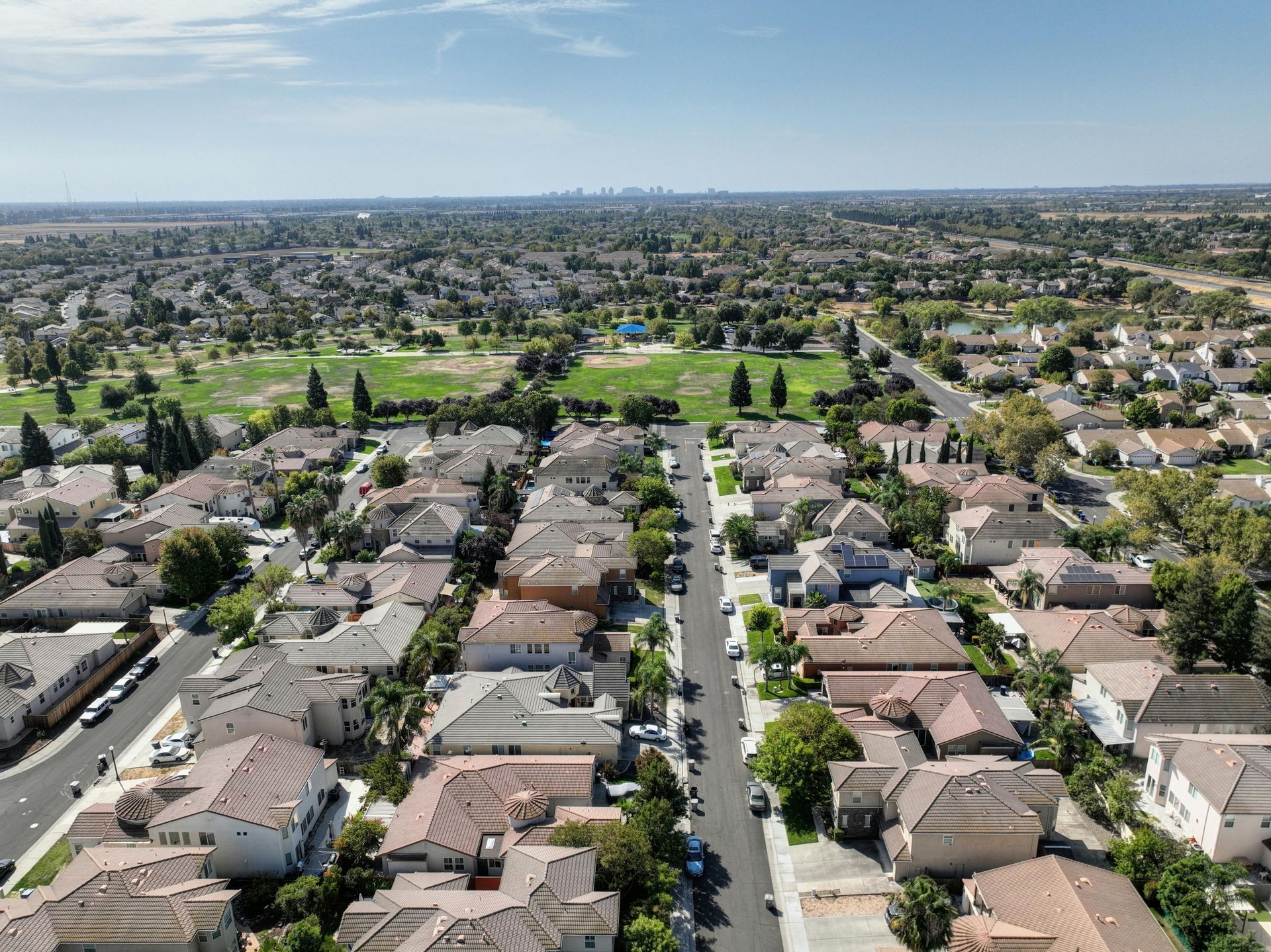
SACRAMENTO REAL ESTATE MARKET TRENDS AND INTEREST RATES: NOVEMBER 2024 ANALYSIS

The Sacramento real estate market has long been a hotbed of activity, with its unique blend of urban development, suburban charm, and affordability relative to other California markets. November 2024 is no exception, as buyers, sellers, and realtors navigate a landscape shaped by shifting trends, fluctuating interest rates, and evolving buyer preferences.

Whether you're a first-time buyer, an experienced investor, or someone looking to sell your house in Sacramento, understanding the latest market trends and interest rate dynamics is crucial. In this analysis, we'll break down the key factors influencing the Sacramento real estate market this month and provide actionable insights to help you make informed decisions.


Key Sacramento Real Estate Trends in November 2024


1. Buyer Demand Remains Strong but Selective

While the housing market has seen cooling demand in some parts of the U.S., Sacramento remains a top destination for homebuyers, thanks to its relative affordability and proximity to major hubs like San Francisco. However, buyers in November 2024 are becoming more selective due to rising interest rates and increased inventory.


  • First-Time Buyers: First-time buyers in Sacramento continue to play a significant role in the market, particularly in suburban areas like Elk Grove and Roseville. These buyers are prioritizing affordability and proximity to good schools and amenities.
  • Relocation Buyers: Sacramento remains attractive to those relocating from pricier cities like San Francisco and Los Angeles. Many are seeking larger properties with outdoor spaces, which the region offers at a fraction of the cost compared to the Bay Area.
  • Investors: While rising interest rates have tempered investor activity, Sacramento still appeals to those seeking long-term rental income due to its steady population growth and job market stability.


2. Inventory Levels: A Shift Toward Balance

November 2024 is seeing a shift toward a more balanced market, with inventory levels increasing compared to earlier in the year. This is great news for buyers who were previously struggling with fierce competition and limited options.


  • Single-Family Homes Dominate the Market: Detached homes continue to be the most sought-after property type in Sacramento, especially those priced under $600,000.
  • Luxury Market Growth: The luxury segment is seeing a slight uptick in activity, with high-end properties in areas like East Sacramento and Land Park attracting attention from affluent buyers.
  • New Construction Gains Traction: Builders are taking advantage of increased buyer demand for new homes with energy-efficient features and modern amenities. Subdivisions in areas like Folsom and Elk Grove are seeing robust interest.


3. Home Prices Show Moderate Growth

The median home price in Sacramento has increased modestly in November 2024 compared to the same period last year. While home price appreciation has slowed from the rapid growth seen in 2022 and 2023, values remain stable and on a positive trajectory.


  • City vs. Suburb Trends: Homes within Sacramento city limits are seeing slower price growth compared to suburban areas, where demand for larger properties and quieter neighborhoods remains high.
  • Affordable Price Points: Homes under $500,000 are moving quickly, while higher-priced properties are seeing longer days on the market.
  • Seller Challenges: Sellers are having to price their homes more competitively to attract buyers, especially in neighborhoods with a growing number of listings.


4. Interest Rates: A Game-Changer for Buyers and Sellers

Interest rates have been a major topic of discussion in 2024, with November seeing rates for 30-year fixed mortgages hovering around 7.1%. This represents a significant increase compared to the historically low rates seen just a few years ago, and it's having a notable impact on buyer behavior.


  • For Buyers: Higher interest rates are reducing purchasing power, forcing some buyers to lower their price range or delay their purchase altogether.
  • For Sellers: Sellers must be realistic about pricing, as buyers are more cost-conscious than ever. Offering incentives such as rate buydowns or covering closing costs can help attract offers.
  • Refinancing Activity: With current rates at their highest levels in years, refinancing activity has slowed to a trickle, further emphasizing the need for careful financial planning.


5. Seasonal Trends: Slower but Still Active

November typically marks a slower season for real estate, as the holidays and colder weather shift buyer focus. However, Sacramento is bucking this trend to some extent in 2024.


  • Motivated Sellers: Many sellers are listing their homes now to take advantage of the still-strong buyer pool before the year-end lull.
  • Serious Buyers: Those shopping for homes in November tend to be highly motivated, whether due to relocation, life changes, or end-of-year tax planning.
  • Fewer Listings: While inventory has improved overall, the number of new listings typically decreases this time of year, which could create more competition for well-priced homes.


How to Navigate the Sacramento Real Estate Market in November 2024


For Buyers

If you're a first-time buyer or someone looking to move into the Sacramento market, here are some tips to maximize your opportunities:


  1. Get Pre-Approved: With higher interest rates, it's critical to know exactly what you can afford before making an offer.
  2. Work with a Realtor: Partnering with the best realtor in Sacramento will give you an edge in finding the right property, negotiating effectively, and navigating market conditions.
  3. Consider Alternatives: If higher rates are limiting your budget, consider condos, townhomes, or fixer-uppers with potential for customization.


For Sellers

If you're looking to sell your house in Sacramento, here's how you can stand out in this market:


  1. Price Competitively: Be realistic about your home’s value based on current market trends and comparable sales in your area.
  2. Make Your Home Move-In Ready: Buyers are less likely to take on renovation projects with higher borrowing costs.
  3. Offer Incentives: Consider offering credits for closing costs or interest rate buydowns to sweeten the deal for buyers.


Looking Ahead: What’s Next for Sacramento Real Estate?

As 2024 nears its end, Sacramento’s real estate market is expected to remain stable but highly dependent on interest rate trends and economic conditions. Buyers and sellers should monitor:


  • Fed Rate Decisions: Any changes in Federal Reserve policy could impact mortgage rates and buyer affordability.
  • Job Market Stability: Sacramento’s economy, driven by government, healthcare, and tech sectors, continues to be a source of strength for the housing market.
  • Inflation Rates: Rising inflation could put further pressure on both buyers and sellers as living costs increase.


Conclusion

The Sacramento real estate market in November 2024 reflects a mix of opportunities and challenges for buyers and sellers. While higher interest rates and seasonal trends are influencing activity, the region remains a strong and appealing market due to its affordability, location, and quality of life.

Whether you’re a first-time buyer, a seasoned investor, or someone planning to sell your house in Sacramento, staying informed about market trends is essential. Working with the best realtor in Sacramento ensures you’ll have expert guidance to navigate these dynamics and achieve your real estate goals.


If you're looking to learn more about buying, selling, relocating or get the best real estate experience in the Sacramento area, get in touch with CJ Domondon. His team can provide valuable insights and guidance to help you navigate the market. You can contact CJ Domondon directly to schedule a consultation or discuss your real estate needs.

January 27, 2026
Sacramento’s housing market sits tantalizingly close to balance. Current inventory hovers at 2.9 months’ supply—enough breathing room for buyers to negotiate without full‑on bidding wars, yet still favoring sellers on well‑priced homes. Spring 2026 could be the tipping point: if listings jump as forecasted, we might finally cross into true 3+ months’ supply territory, delivering the balanced market everyone’s waiting for. But will it happen? What volume surge is needed? How do Bay Area migrants factor in? And what do +/-1% price moves really mean for seller psychology and listing activity? This analysis projects Sacramento’s spring trajectory based on historical patterns, current trends, economic signals, and local catalysts like zoning reforms. First time buyers stand to gain most from balance—more options, better terms. Sellers weighing “should I sell my house now?” get timing intel. The best realtor in Sacramento turns these projections into strategy. Current State: 2.9 Months’ Supply – Almost Balanced Sacramento’s active listings total ~2,150 properties at Q1 2026 start, equating to 2.9 months at 740 monthly sales pace. Breakdown: Single‑family: 2.8 months (dominant segment). Condos/townhomes: 3.1 months (gaining). Multi‑unit: 3.4 months (zoning boost). Days on market: 27 average (up from 21). Seller concessions: 3.5% (credits/repairs). Median: $535k. Close—but not quite balanced (classic 4–6 months). Spring could change that. What Defines “Balanced”? The 3‑Month Threshold 3 months’ supply signals transition: Buyers: Negotiation leverage grows; contingencies standard. Sellers: Pricing discipline required; overpriced homes linger. Market: Sustainable pace, less frenzy/volatility. Historical Sacramento: Pre‑2020 averaged 3.8 months. Pandemic: 1.2–2.0. Current 2.9 = emerging balance. To hit 3.0+ by April: Need ~2,350 listings (10% quarterly jump) at steady absorption. Projected Spring 2026 Volume Jumps: The Path to Balance Forecast assumes base + catalysts. Base Case: +7% Listings QoQ Q1 new listings: 2,100 (historical winter base). Q2 surge: 2,250 (+7%). Inventory: 3.1 months by April. Drivers: Seasonal life events (jobs, schools). Optimistic: +12% (Bay Migration Spike) New listings: 2,400 Q2. Inventory: 3.4 months. Bay inflows +15k households accelerate chain sales. Pessimistic: +3% (Rate Stubbornness) Listings: 2,150. Inventory: 2.8 months. High rates (6%+) deter move‑ups. Monthly Projection (Base Case): February: 2,200 listings (2.9 months). March: 2,300 (3.0 months). April: 2,450 (3.2 months). Bay Migration Effects: Supply Amplifier or Demand Dampener? Bay Area exodus remains Sacramento’s wildcard—18k net 2025 inflows, projected 20k 2026. Supply boost: Migrants sell Bay homes sight unseen, list Sacramento move‑ups. Chain reaction: Starter sales → family listings. Demand pressure: Cash buyers (25% Bay migrants) absorb inventory. Push prices +2% in suburbs (Elk Grove, Folsom). Net: Mild supply tilt if rates cooperate. +/-1% Price Moves: Psychology and Listing Impact Micro price shifts sway behavior. +1% Monthly Appreciation: Sellers hold: “Why list now? Values rising.” Listings lag; inventory <3 months. Buyers rush, sustaining pressure. -1% Monthly (Stagnation): Fear spreads: “Peak passed?” Sellers flood market (15% jump). Inventory surges to 3.5+ months. Buyers gain power. Sacramento Q4 2025: +0.5%—holding pattern. Spring +1% sustains 3 months; flat/-1% accelerates balance. First Time Buyer Windfall in Balanced Spring 22% market share poised to grow: More sub‑$500k amid concessions. House hacking booms (zoning duplexes). Negotiation: 5% off + repairs standard. Strategy: Pre‑approve Q1; target Natomas/Florin. Seller Calculus: Sell My House Before/Before Balance Tips? Pre‑balance (Feb): Leverage remains; 97% list‑to‑sale. Balanced (April+): Discipline key; concessions rise. Timing: List Q1 if motivated; hold if low rate. Best realtor in Sacramento prices via fresh comps, markets zoning perks. Neighborhood Breakdown: Balance Varies Fast to balance: Natomas: 3.3 months (builder surge). Elk Grove: 3.1 (family moves). Seller holdouts: East Sac: 2.5 (premiums persist). Folsom: 2.7 (schools). Risks to Projection Upside: Rates to 5.75% (+20% listings). Downside: Recession (-10% absorption). Conclusion: Spring Balance Likely, Act Strategically Sacramento eyes 3‑month balance by April 2026 via volume jumps + migration. +/-1% prices dictate pace. First time buyers: Gear up. Sellers: Time wisely via best realtor in Sacramento. Sell my house decisions hinge on this window.
January 20, 2026
Sacramento’s housing market hit an intriguing inflection point late last year. After showing promising signs of balance with listings up 8% through mid-2025, momentum stalled as sellers pulled back just when buyers started gaining confidence. New listings flatlined in Q4, inventory hovered stubbornly at 3 months’ supply, and builders ramped up concessions to move spec homes. Now heading into 2026, the big question hangs: Will sellers return in force, pushing inventory toward a healthier 3+ months and giving buyers real negotiating power? Or will the “lock-in effect” from ultra-low mortgage rates and life-event hesitation keep supply tight, maintaining Sacramento’s seller-leaning tilt? This deep dive analyzes what happened, what stalled it, and the key triggers that could spur seller activity—including mortgage rates potentially dipping to 5.75%, builder dynamics, and seasonal patterns. Whether you’re a first time buyer hoping for more options, a homeowner weighing “should I sell my house now?”, or simply tracking Sacramento trends, understanding these forces shapes your 2026 strategy. The best realtor in Sacramento can turn this analysis into actionable moves. Late-2025 Review: The 8% Listing Surge and Abrupt Stall Through the first three quarters of 2025, Sacramento listings grew a solid 8% year-over-year, climbing from pandemic-era lows. Active inventory hit 2.8 months’ supply by September—enough to ease bidding wars and let buyers breathe. What fueled the surge? Equity realization: Homeowners sitting on 35-45% gains since 2020 listed confidently. Life events: Job changes, family expansions, and retirements prompted 12% quarterly jumps in new listings. Zoning tailwinds: "Missing Middle" reforms unlocked multi-unit sales from investors converting single-family lots. Seasonal momentum: Spring and summer traditionally deliver peak supply. Then... the stall. Q4 listings flatlined at +1% growth, inventory dipped back to 2.9 months, and days on market ticked up to 29 without price relief. Sellers retreated, citing: Holiday hesitation. Rate uncertainty (6.2-6.8% range). "Why sell when I love my 2.5% mortgage?" Buyers noticed: Fewer fresh options, stale listings dominating searches. Builder Concessions: A Symptom of Softening Demand Sacramento builders, facing absorption lags, unleashed aggressive incentives by year-end: Rate buydowns covering 1-2 points ($10k-$20k value). Free upgrades (solar, appliances, flooring) on 45% of spec homes. Closing credits up to 6% of price. Leaseback options letting buyers rent post-close. New construction medians held at $585k, but effective prices dropped 4-5% via perks. This signals: Buyers picky amid rising resales. Builders prioritizing volume over margins to service debt. First time buyers gaining traction via incentives (FHA-friendly). Yet concessions haven't flooded inventory—permits slowed to 2,200 annually as land costs bit. What Could Spur Sellers Back in 2026? The Key Triggers Sellers hold the power to tip Sacramento toward true balance. Here are the catalysts that could reignite listings. Trigger #1: Mortgage Rates to 5.75% (The Big Unlock) Locked-in owners with sub-4% rates fear doubling payments. A drop to 5.75% by Q2 2026 (per Fannie Mae forecasts) changes math: Trade 2.5% 30-year on $500k for 5.75% on $600k move-up = $2,100 vs. $3,500 monthly (manageable). Psychological barrier breaks: "Rates are reasonable enough." Fed pauses + Treasury yield drops could deliver this. Historical precedent: 2023's 7.5% to 6.5% sparked 15% listing jumps. Trigger #2: Seasonal Life Events Ramp Up January-March traditionally surges 20-25%: Post-holiday moves. Job relocations (state capital stability + tech). Family changes (school starts). If Q1 listings hit 15% growth, inventory could reach 3.2 months by spring. Trigger #3: Equity Psychology + Tax Triggers Sacramento medians at $535k (Q1 forecast) mean average equity tops $300k. Capital gains exclusions ($500k married) expire for many in 2026—prompting sales. Trigger #4: Builder Spillover + Zoning Momentum Slow new-build sales push builders to acquire resale lots. Multi-unit conversions add investor listings. ADU boom creates "house + income" sellers. Trigger #5: Buyer Momentum Pulls Sellers As first time buyers activate (22% market share), move-up demand follows. Chain reactions: Starter sales → family home sales → empty-nester listings. Risks Keeping Sellers Sidelined Counterforces loom: Persistent 6%+ rates. Economic wobbles (tech layoffs, state budget). "Golden handcuffs" from low payments. Repair costs deterring listings. If listings stall below 5% growth, inventory contracts to 2.7 months—rekindling frenzy. Buyer Impacts: Opportunity Window or False Dawn? First time buyers win most: More sub-$500k options if sellers return. Builder concessions persist. House hacking surges via zoning. Move-up buyers: Leverage for upgrades. Investors: Cap rates improve to 5%+. But stalled supply means continued competition in hot zips (East Sac, Folsom). Buyer action plan: Pre-approve now. Target Q1 for peak inventory. Partner with best realtor in Sacramento for off-market. Seller Strategy: Sell My House Timing in 2026 If rates drop to 5.75%: List Q2 for peak demand. Current window: January if motivated—beat seasonal rush. Hold if: Low rate + no rush. Pricing intel: Medians to $565k by Q4. Well-prepped homes: 98% list-to-sale. Overpriced: 35+ DOM. Prep: Staging (7% ROI), pre-inspect, zoning highlights. Neighborhood Forecasts: Where Sellers Activate First High seller potential: Elk Grove: Family moves + schools. Natomas: Starter equity realization. Arden-Arcade: Retirees downsizing. Slow movers: Land Park/East Sac: Lifestyle lock-in. Folsom: Commuter holdouts. Builder Role in 2026 Balance Expect 2,800 units, focusing plexes/townhomes. Concessions ease to 3-4% if resales surge, stabilizing medians. 2026 Scenarios Bull (sellers return): 12% listings, 3.5 months inventory, prices +3%. Base: 6% growth, 3.1 months, +2.5%. Bear: Flat listings, 2.6 months, +1%. Conclusion: Watch Rates, Act on Momentum Sacramento teeters on seller return post-2025 stall. 5.75% rates + seasonal surges could deliver 3-month balance, delighting first time buyers while rewarding timely sellers. Consult the best realtor in Sacramento to sell my house at peak or snag deals.
January 14, 2026
You’re ready to buy a home in Sacramento. You’ve got your pre‑approval, your budget, your wish list. You’re scrolling Zillow, Redfin, MLS listings every day. And… nothing. Crickets. The same 12 homes over and over. Some are priced too high. Others are in the wrong neighborhood. A few need $50k in work. None feel like “the one.” You’re not alone. Even with Sacramento’s inventory improving to around 3 months’ supply, the right homes for your specific needs can still feel scarce. But here’s the good news: they exist. They’re just not always on the public market—yet. This guide shows you exactly where to find the interesting Sacramento homes that aren’t showing up in your daily scroll. Whether you’re a first time buyer hunting starter homes, a family seeking move‑up space, or an investor eyeing multi‑unit potential, these strategies will help you uncover hidden gems before the masses do. And yes, working with the best realtor in Sacramento makes all the difference—but we’ll get to that. Why the Public Listings Feel So Limited (Even When Inventory Is Up) Sacramento’s 3‑month supply sounds healthy, but public listings often feel thin because: 1. Hot properties move fast Even in a more balanced market, well‑priced homes in desirable neighborhoods still sell in 10–20 days. By the time you see them, the good ones are gone. 2. Sellers test the market quietly Many owners (especially repeat sellers) start with “pocket listings” or “coming soon” status to gauge interest before full public exposure. 3. Not every home hits MLS immediately FSBOs, expired listings, investor properties, and probate sales often stay off public radar initially. 4. Your search filters are too narrow Popular criteria (3 bed/2 bath, $500k max, no fixer‑uppers) eliminate 70% of listings before you see them. 5. Neighborhood bias limits options Sticking to “Natomas only” or “Midtown or bust” ignores great alternatives 10 minutes away. The solution? Go where the interesting homes actually are—before they hit Zillow. Strategy #1: Work the Off‑Market and Pocket Listing Networks The best homes often sell before they ever appear publicly. Here’s how to access them. Ask Your Agent for Pocket Listings Daily Top Sacramento agents maintain private lists of homes about to hit the market or already spoken for informally. These are: Seller’s neighbors who mentioned “thinking about selling someday.” Expired listings they’re re‑listing quietly. Builder spec homes not yet in MLS. Investors quietly shopping multi‑units. Action step: Tell the best realtor in Sacramento, “Send me your daily pocket list. I want first dibs on anything matching my criteria.” Target Expired and Withdrawn Listings Homes that sat 60+ days then dropped off MLS often become motivated sellers. They’re: Embarrassed to relist publicly. Open to private showings. Willing to negotiate hard to avoid another round. How to find them: Ask your agent to run weekly reports. Drive target neighborhoods looking for “coming soon” signs. Network with title officers who hear about these first. FSBOs Are Your Secret Weapon For‑sale‑by‑owners represent 8–10% of Sacramento sales but often sell faster to savvy buyers. They’re motivated because: No agent pushing them. Tired of showings with no offers. Want to avoid commissions (leverage this in negotiation). Where to hunt: Craigslist, Facebook Marketplace, Nextdoor. Drive‑bys in your target neighborhoods. Yard signs that say “motivated seller” or no price listed. Strategy #2: Go Direct to Sellers Who Haven’t Listed (Yet) Some of the best deals come from people who aren’t actively selling—but would consider it. The “I’ll Sell If…” Crowd Every neighborhood has owners thinking: “I’d sell for the right price.” “I’ll move if someone buys my house first.” “Retirement’s coming soon.” How to reach them: Door knocking: Your agent targets streets with similar homes to recent sales. “Hi, I had a buyer who loved your neighbor’s house. Are you thinking about selling?” Direct mail: Postcards to recent comp neighborhoods. “We have qualified buyers looking in [your street name].” Social media mining: Facebook neighborhood groups, Nextdoor posts asking “Anyone know of homes coming soon?” Farmer Agents Own Neighborhoods The best realtor in Sacramento who “farms” your target neighborhood knows every owner, every upgrade, every motivation. They’ve been nurturing relationships for years. Ask: “Which neighborhoods do you farm? Show me your sphere’s potential listings.” Strategy #3: Expand Your Neighborhood Radar Sometimes the perfect home is 10 minutes from where you thought you wanted to live. Sacramento’s “Hidden Gem” Neighborhoods While everyone fights over Midtown and East Sac, smart buyers look at: Natomas West and Northgate – Newer homes, quick highway access, strong appreciation, under $500k starters. Elk Grove Laguna West – Master‑planned with lakes, trails, great schools, family prices $550k–$650k. Land Park adjacent (Curtis Park) – Walkable, charming, slightly less competitive than core Land Park. River Park – American River access, established trees, feels upscale under $700k. Arden‑Arcade ‑ Huge inventory variety, quick freeway access, “good enough” schools, $450k–$600k sweet spot. Pro tip: Use Google Street View + Walk Score + GreatSchools ratings to expand your criteria without emotional bias. Look at “B+” Homes in A+ Neighborhoods Sometimes the house isn’t perfect, but the location is gold. A dated 1980s three‑bed with good bones in Elk Grove beats a perfect flip in a meh area. Strategy #4: Expand Your Property Type Criteria Sticking to “single‑family detached only” limits you to 60% of inventory. Open your mind: Duplexes and Triplexes for First Time Buyers Sacramento’s zoning reforms made these goldmines: Buy a $550k duplex, live in one unit, rent the other for $2,200/mo. Mortgage drops to $1,800/mo out‑of‑pocket. Builds equity + cash flow. Where to find: Multi‑unit sections of MLS, investor agents, “owner will carry” ads. Townhomes and Condos Done Right Modern townhomes in Natomas or Elk Grove offer: New construction warranties. Low‑maintenance living. HOA pools/gyms. $400k–$500k price points. Homes with ADUs Accessory Dwelling Units add instant value: Buy at single‑family price, get duplex income. Rent the ADU for $1,800/mo. Future expansion space. Fixer‑Uppers with Clear Upside Homes needing $30k–$50k work can be your best deal: Cosmetic (paint, flooring, kitchen refresh). Seller motivated to move. ARV (after repair value) 20–30% higher. Strategy #5: Builder and Investor Networks New Construction Before It’s Built Builders hold “pre‑sale” inventory: Customize floor plans. Lock in today’s pricing. Incentives like free upgrades. How: Ask agents for builder lists. Visit model homes. Join VIP buyer lists. Investor “Wholesales” Investors under contract want out: They found a deal, don’t want to fix it. You buy their contract. Often 10–15% below market. Source: Investor meetups, Facebook investor groups, “assignment of contract” listings. Strategy #6: Leverage Timing and Market Cycles Pre‑Market Windows January–February: Life changes from holidays prompt listings. April–May: Before summer crunch. September–October: Post‑summer moves. Expired Listing Season Peak 60+ day listings hit February and August—prime hunting. Builder Phase Releases New communities drop inventory in batches every 60–90 days. The Non‑Negotiable: Partner with the Right Sacramento Agent None of these strategies work without the best realtor in Sacramento who: Has the network – Knows every potential seller in your price range. Runs the reports – Expireds, pockets, FSBOs, sphere leads daily. Farms your area – Deep intel on every street. Thinks creatively – Sees duplex potential, ADU opportunities, investor motivations. Has buyer leads – Can motivate sellers with “I have cash buyer ready.” Red flags: Agent who only shows MLS listings, pushes you to “just make an offer already,” doesn’t know your neighborhood cold. Interview questions: “Show me your last 3 off‑market deals.” “What’s coming soon in [your target zip]?” “Who do you know on [your dream street] who might sell?” Putting It All Together: Your 30‑Day Action Plan Week 1: Hire the right agent, expand criteria, run pocket/expired reports. Week 2: Drive target neighborhoods, door knock/mail 50 homes, join investor groups. Week 3: Tour FSBOs/withdrawns, meet builders, analyze duplex/townhome comps. Week 4: Submit 3–5 strategic offers on hidden gems. Most buyers find “the one” within 30–60 days using these steps. Public scrollers take 6+ months. Final Thoughts: Stop Scrolling, Start Hunting The interesting Sacramento homes exist. They’re just not waiting passively on Zillow for you to find them. Get aggressive. Expand your thinking. Leverage networks. Partner with someone who knows where the deals hide. Whether you’re a first time buyer needing starter home magic, a growing family seeking space, or simply tired of the MLS merry‑go‑round—the right strategy uncovers opportunities others miss. Time to stop wishing and start working the hidden market. Your future home is out there, waiting for the buyer who knows where to look. If you're looking to learn more about buying, selling, relocating or get the best real estate experience in the Sacramento area, get in touch with CJ Domondon. His team can provide valuable insights and guidance to help you navigate the market. You can contact CJ Domondon directly to schedule a consultation or discuss your real estate needs.
January 6, 2026
For the first time in years, Sacramento’s housing market is starting to feel…normal. Instead of homes selling in 48 hours with 15 offers and buyers waiving every contingency, we’re now seeing more listings, slightly longer days on market, and negotiations that actually involve give and take. With roughly a 3‑month supply of homes on the market, Sacramento is edging away from the extreme seller’s market of the pandemic years and toward something much closer to balance. But what does a 3‑month supply really mean for you if you’re thinking, “Should I buy now?” or “Is this the right time to sell my house?” And how does this shift affect first time buyer strategies and sellers hoping to get top dollar? This in‑depth guide breaks down what a 3‑month supply is, why it matters, what’s driving the change in Sacramento, and how buyers and sellers should adjust their game plans in 2026. What Does “3‑Month Supply” Actually Mean? In real estate, “months of inventory” (or “months of supply”) is one of the clearest ways to understand the balance between buyers and sellers. If no new homes were listed starting today… And buyers kept purchasing homes at the current pace… Months of supply is how long it would take for all existing listings to be sold. Very low inventory (1–2 months) = strong seller’s market. High inventory (6+ months) = strong buyer’s market. Somewhere around 4–6 months is traditionally considered “balanced.” So a 3‑month supply means: Sacramento is no longer in “panic mode” for buyers. But sellers still have a decent amount of leverage. The market is moving toward balance, but hasn’t completely arrived there. In practice, 3 months is a “soft seller’s / emerging balanced” market: buyers have more options and negotiating room, but well‑priced homes still sell quickly. How Sacramento Got Here: From Frenzy to (Relative) Balance Sacramento didn’t move toward balance overnight. The shift has been gradual, driven by several overlapping trends. 1. More Listings Hitting the Market After years of homeowners holding onto ultra‑low 2–3% mortgage rates, more people are finally deciding to list: Life events (job changes, upsizing, downsizing, divorce, retirement). Built‑up equity since 2020, making moves financially possible. Less fear of “Where will I go?” because inventory has improved. The result: more active listings, more variety, and more choices for buyers in nearly every price range. 2. Slower—but Still Solid—Buyer Demand Buyer demand in Sacramento is still healthy, especially compared to many national markets, but it’s no longer overheated: Mortgage rates are higher than the 2020–2021 lows, which sidelines some buyers. Affordability is strained, especially for first time buyers. Some would‑be buyers are waiting, hoping for lower rates or prices. That cools the intensity but doesn’t eliminate demand, especially given Sacramento’s: Strong government and healthcare job base. Ongoing migration from the Bay Area. Relative affordability compared to coastal California. 3. New Construction and Zoning Changes Adding Options Sacramento’s push to encourage “missing middle” housing types has started to bear fruit: Small multi‑unit buildings (duplexes, triplexes, four‑plexes). Homes with ADUs (accessory dwelling units). Townhomes and small‑lot single‑family projects. These don’t flood the market, but they do add incremental supply and more variety for both buyers and small investors. Is a 3‑Month Supply Truly “Balanced”? Technically, 3 months is still a slight seller’s market. But compared to the ultra‑tight conditions of recent years, it feels much more balanced. Here’s how it plays out on the ground: Good homes priced correctly: Still get strong interest and may receive multiple offers. Overpriced or outdated homes: Sit longer and often need price reductions. Buyers: Don’t have to rush into decisions within hours, and can keep contingencies more often. Sellers: Can’t just “name a price” and expect the market to hit it instantly. So while Sacramento hasn’t fully reached the 4–6 month “classic” balanced range, for everyday buyers and sellers it already feels significantly more manageable and reasonable than the frenzy days. What a 3‑Month Supply Means for Buyers If you’re a buyer, especially a first time buyer, this is a very different environment than 2021–2022. Here’s how the 3‑month supply works in your favor—and where challenges remain. 1. More Choices, Less Panic With more inventory: You can see multiple homes that meet your criteria instead of just one. You can focus on the right home, not just the “only” home. You often have time to schedule a second showing before writing an offer. That reduces emotional pressure and helps you make better, more rational decisions. 2. More Negotiation Power In an ultra‑tight seller’s market, buyers often had to: Offer over asking by default. Waive inspections, appraisals, and repairs. Agree to the seller’s timeline with no questions asked In a 3‑month‑supply environment you’re more likely to: Negotiate on price—especially for homes that have been on the market 2–3 weeks or longer. Keep inspection contingencies and ask for repairs or credits. Request closing cost help or rate buydown contributions from the seller. You still need to be realistic—great homes priced well can move quickly—but you have more room to advocate for yourself. 3. The Affordability Catch More inventory doesn’t automatically mean cheap homes. The big affordability challenges in Sacramento remain: Home prices are still high compared to local incomes. Mortgage rates, though off their peak, are still much higher than 2020 levels. Property taxes, insurance costs, and HOA dues on some new builds add to monthly expenses. So even with a 3‑month supply, many buyers still feel squeezed. First time buyers in particular need to be strategic: Use first‑time buyer programs (down payment assistance, closing cost help). Consider “house hacking” (buying a duplex or a home with an ADU and renting the other unit). Look at slightly less “hot” neighborhoods that still fit your needs. Work with the best realtor in Sacramento for creative strategy, not just home tours. 4. More Room for Thorough Due Diligence In a more balanced market, you can: Conduct full home inspections and negotiate repairs. Take time to carefully review disclosures, HOA documents, and neighborhood data. Avoid waiving appraisal contingencies unless you have a very clear plan. That reduces your risk of major surprises after closing. What a 3‑Month Supply Means for Sellers If you’re thinking “Is this the right time to sell my house in Sacramento?” the answer for many owners is still yes—but the strategy has changed. You’re no longer selling in a “just list it and watch the offers roll in no matter what” market. You are, however, selling in a market where: Inventory is still relatively low by historical standards. Demand is still there, especially for well‑priced, move‑in‑ready homes. You can still get strong prices with the right preparation and pricing. Here’s what a 3‑month supply means practically for sellers. 1. Pricing Strategy Matters More Than Ever In a frenzied seller’s market, sellers often “tested” the market with overly aggressive list prices and still got offers. That’s much riskier now. With a 3‑month supply: Buyers are more price‑sensitive and better informed. Overpriced homes sit, then require price cuts, which can spook buyers. Fairly priced homes get the best attention and offers. Working with a skilled local agent to set a realistic list price based on recent comparable sales, current inventory, and current demand is crucial. The best realtor in Sacramento will show you: What similar homes actually sold for—not just what others are asking. How long they took to sell. Whether they needed price reductions. Getting pricing right from the start can be the difference between selling in 10–20 days with strong terms versus sitting for 45+ days and chasing the market down. 2. Condition and Presentation Matter More Too When buyers have more options, they can afford to be pickier. To stand out, your home should: Be clean, decluttered, and well‑staged if possible. Have obvious deferred maintenance addressed (peeling paint, leaky faucets, old carpet). Look great in photos and online listings—your first “showing” is on a screen. You don’t necessarily need a full renovation, but strategic updates can have a big return. Sometimes: Fresh paint and minor cosmetic upgrades. Landscaping clean‑up and curb appeal improvements. Fixing small issues that might derail inspection. Those steps can boost perceived value and help you sell faster, and often for more. 3. Expect Real Negotiations Again With more balance in the market, negotiation is back: Buyers will ask for repairs, credits, or closing cost help. You may see offers with contingencies instead of all‑cash, as‑is bids. You might get fewer offers, but you can still get a strong one. This is where a great agent earns their keep—helping you: Evaluate which offer is truly best (price, terms, contingencies, buyer strength). Decide which repair requests are worth agreeing to. Keep the deal together if surprises pop up during escrow. Your net result (what you actually take home) matters more than the headline list or offer price. 4. Timing Still Matters—but Less Than Before In ultra‑hot markets, timing could make a huge difference. List in early spring and you might see 20 offers; list in late fall and you might see 5. With a 3‑month supply, seasonality still exists, but: Good homes sell year‑round. There is demand in every quarter, just with different flows. The “right time” becomes more about your life than the calendar. If you’re ready to make a move—for a job, a growing family, downsizing, or financial reasons—the current environment can still be very favorable with the right strategy. How This Affects First Time Buyers Specifically First time buyers are often hit hardest in tight markets. A 3‑month supply helps in some ways and still challenges them in others. Where Conditions Are Now Better for First Time Buyers Less competition from dozens of offers on the same home. More ability to keep contingencies and protections. More listings under the median price in certain neighborhoods. Slightly more seller openness to FHA or VA financing. You’re less likely to be completely outgunned by all‑cash offers, especially on homes that aren’t at the absolute hottest price point. Where Challenges Persist Down payments remain a major hurdle with today’s prices. Monthly payments are still high due to price levels and interest rates. Student loans and other debts can limit approval amounts. Affordability in the most desirable neighborhoods is still tough. That’s why strategy, coaching, and creativity matter more than ever. Smart First Time Buyer Strategies in a 3‑Month Supply Market Get fully pre‑approved before shopping, not just pre‑qualified. Consider homes with ADUs or duplexes to create rental income. Don’t ignore “ugly ducklings” with solid bones in good locations. Be flexible on cosmetic preferences and ready to do small upgrades over time. Use first‑time buyer assistance where you qualify. Most importantly, work with an agent who actually enjoys guiding first time buyers, not just chasing luxury listings. How Investors Respond to a More Balanced Sacramento Market Small investors and house hackers pay close attention to inventory and pricing shifts. In a 3‑month‑supply environment: Investors have more listings to analyze and more negotiation room. Cap rates may improve slightly as prices stabilize and rents grow slowly. Properties that need work can often be bought at a discount from tired sellers. At the same time, investors face: Higher financing costs. Tighter underwriting. Rent growth that may not be as fast as home price growth. Many are focusing on: Duplexes, triplexes, and four‑plexes. Homes with ADUs. Neighborhoods poised for growth due to new infrastructure, zoning, or amenities. If you’re a homeowner and your property has strong rental or redevelopment potential, that can be part of how you market it when you sell. Why the Right Local Realtor Matters Even More in a “Balanced” Market It’s tempting to think that as the market moves away from chaos, you don’t need as much professional help. In reality, a more nuanced, mixed market is where a great local expert becomes even more valuable. For buyers, the best realtor in Sacramento can: Help you interpret what 3‑month supply means in your specific price range and neighborhood—some segments still perform like a strong seller’s market. Identify which homes are truly well‑priced versus which are sitting for hidden reasons. Structure offers that protect you while still appealing to sellers. Connect you with lenders, inspectors, and contractors who understand local conditions. For sellers, a top Sacramento agent can: Price based on real data and current buyer behavior, not just hope or outdated comps. Market your home effectively to stand out among more listings. Negotiate skillfully so you don’t give away more than you need to in repairs or credits. Guide you through the entire process so you can actually move on with your life confidently. A 3‑month supply means you can’t rely on the market to do all the work. Strategy and execution matter again. Should You Buy Now or Wait? There is no one‑size‑fits‑all answer, but here’s how to think about it in Sacramento right now. Buying now may make sense if: You’ve run the numbers and can comfortably afford the payment. You plan to stay at least 5–7 years. You value stability and building equity over short‑term timing. You find a home that truly fits your needs, not just your wants. Waiting might make sense if: Your finances aren’t stable or your job situation is uncertain. You have very little emergency savings. You need time to fix credit or pay down debts. You are simply not emotionally ready to commit. In a 3‑month‑supply market, buyers at least have the luxury of thinking this through carefully instead of feeling forced into snap decisions. Should You Sell Now or Hold Off? Similarly, whether to sell my house in Sacramento now depends on your bigger picture. Selling now may make sense if: You have strong equity and a clear next step (buying, renting, moving). Your property is in good shape and marketable. You need to release equity for retirement, relocation, or other goals. You prefer to sell in a still‑favorable environment rather than gambling on future slowdowns. Holding may make sense if: You don’t yet have enough equity to make a move work. Your mortgage rate is ultra‑low and moving would significantly raise your monthly costs. You’re not sure where you want to go next. You’re considering adding value (like an ADU or renovation) before selling. Again, the “right” answer is personal—but a more balanced market gives you more room to choose based on your life, not just market hysteria. Final Thoughts: A Healthier, More Sustainable Sacramento Market So, is Sacramento finally becoming a balanced market? It’s not fully there yet by textbook definitions—but a 3‑month supply signals a much healthier, more sustainable environment for both buyers and sellers than we’ve seen in years. It means: Buyers have more options, more negotiating room, and more time to think. Sellers can still achieve strong prices, but must be realistic, strategic, and prepared. First time buyers have a real shot—if they use the right tools, programs, and guidance. The market is driven more by fundamentals and less by panic. If you’re navigating this landscape—whether as a first time buyer, move‑up buyer, downsizing homeowner, or investor—leaning on local expertise is key. The best realtor in Sacramento can help you read the nuances behind that “3‑month supply” headline and translate it into smart, practical steps tailored to your situation. Whether your next move is to buy, wait, or finally decide “Yes, it’s time to sell my house,” Sacramento’s evolving market offers opportunities—as long as you approach it with clear eyes, good information, and a solid plan.
December 30, 2025
Sacramento, the capital of California, has become a hotspot for young professionals who are looking to enjoy a vibrant lifestyle while building their careers. With its beautiful parks, excellent dining, and easy access to outdoor activities, Sacramento is an attractive place for those entering the job market or those seeking a change. This blog post explores the best neighborhoods in Sacramento for young professionals, providing insights to help you decide where to settle down. Why Sacramento? Sacramento offers a unique blend of urban excitement and suburban charm. The city is characterized by: Diverse Job Opportunities: With a strong economy and various industries, Sacramento is home to many job openings, especially for young professionals. Cultural Experiences: The city boasts numerous galleries, theaters, and restaurants that cater to a wide range of tastes. Outdoor Recreation: Sacramento's parks and nearby natural attractions provide numerous opportunities for outdoor activities, appealing greatly to the younger demographic. Top Neighborhoods for Young Professionals 1. Midtown Sacramento Midtown is a vibrant neighborhood known for its trendy cafes, boutiques, and art galleries. It's a hub for young professionals looking to enjoy city life. Location: Midtown is close to downtown, making it easy for young professionals to commute to work. Nightlife: The area offers a dynamic nightlife with bars and restaurants that stay open late. Community Events: Regular events and farmers' markets foster a strong sense of community. 2. East Sacramento Known for its tree-lined streets and charming homes, East Sacramento appeals to young professionals who appreciate a more suburban feel while still being close to the city. Park Access: The neighborhood is home to many parks, including the beautiful McKinley Park. Family-Friendly: East Sacramento is great for those thinking about starting a family in the future. Dining and Shopping: With a mix of local shops and restaurants, there's always something new to explore. 3. Land Park Land Park is perfect for young professionals who want to live near lush parks. This residential neighborhood provides a more tranquil atmosphere. Accessibility: The area offers easy access to the Sacramento Zoo and Fairytale Town. Scenic Views: Its beautiful landscapes are great for evening strolls or weekend picnics. Community Vibe: This neighborhood has a close-knit feel, fostering interactions among residents. 4. Natomas Natomas is one of the fastest-growing neighborhoods in Sacramento, focusing on modern living and new developments. It is a good option for those looking to invest in starter homes. Affordability: Many properties in Natomas are more affordable compared to other neighborhoods. New Developments: Many brand new homes and options for first time buyers are available. Proximity to Work: It's located near major highways, making commuting easier. 5. Curtis Park For those who appreciate vintage homes mixed with modern amenities, Curtis Park offers a classic vibe without sacrificing convenience. Historic Charm: The neighborhood is known for its beautiful historic homes. Close-Community Feel: Residents tend to be active within their community, hosting events regularly. Natural Beauty: The park is a local favorite, providing plenty of green space. Buying a Home in Sacramento If you're considering making the leap to buy a home in one of these fantastic neighborhoods, here are some tips: Research the Market: Understand the current market trends to make informed decisions. Work with a Realtor: Hiring the best realtor in Sacramento can help streamline your search and ensure you find the right home. Know Your Budget: Establish your budget early on, including potential renovation costs if you're a first time buyer. Conclusion Sacramento offers many vibrant neighborhoods for young professionals eager to set down roots. Whether you're drawn to the urban hustle of Midtown or the suburban feel of East Sacramento, there’s something for everyone in this dynamic city. As you consider your options, remember to think about your lifestyle, work needs, and personal preferences. Whether you’re looking to sell your house , purchase your first property, or simply want to explore the exciting atmosphere, Sacramento provides a unique opportunity to thrive. Start your journey today – connect with the best realtor in Sacramento and find the perfect neighborhood for your new life!
December 23, 2025
Sacramento's housing inventory is experiencing steady growth in late 2025, handing buyers a welcome array of choices after years of cutthroat competition and limited supply. Active listings have climbed to around 3.2 months' worth of homes at current sales paces, a notable jump from the tight 2.5 months seen earlier this year. This shift means shoppers can now browse multiple properties, weigh features, and negotiate without the pressure of instant bidding wars that defined recent markets. Yet, despite these gains, affordability remains a stubborn hurdle, particularly with newly built homes priced at medians near $580,000 and overall costs still squeezing out many first time buyers on typical local incomes of about $95,000 per household. The inventory buildup stems from a mix of zoning reforms unlocking multi-unit potential on single-family lots, equity-rich sellers cashing in on recent appreciation, and builders ramping up production to meet state mandates. High interest rates hovering at 6.5% keep monthly payments steep—around $3,400 for a $525,000 median home with 20% down—while land costs and fees push new construction premiums. For homeowners pondering whether to sell my house, this environment offers broader buyer interest and stable pricing. First time buyers find more entry points but still grapple with down payment barriers and qualification hurdles. Teaming up with the best realtor in Sacramento becomes crucial for cutting through the noise and securing optimal deals. Breaking Down the Inventory Surge: What's Driving It? Sacramento's active listings now total roughly 2,200 properties, up 22% from last year's lows and the most abundant since pre-pandemic times. New listings have surged 16% year-over-year, creating a more balanced marketplace where days on market stretch to 28 from the brisk 21 days of tighter conditions. Several key forces fuel this expansion. Equity from 5% price growth in 2025 has motivated sellers to list, especially those with 30-40% gains since 2020. The city's "Missing Middle" zoning ordinance, passed in 2024, eliminated strict single-family-only zones, now permitting duplexes, four-plexes, and even eight-plexes on many lots. This has sparked investor activity, teardowns, and conversions that indirectly boost resale supply. Builders responded with 2,800 permits issued this year, prioritizing townhomes, small apartments, and ADU-equipped homes to align with California's housing goals. Seasonal factors play a role too—winter listings often spike from job moves, family expansions, or relocations. Unlike 2023's frantic 1.5-month supply where buyers waived appraisals and inspections, today's market lets everyone breathe easier. Buyer Wins: Expanded Choices and Negotiation Power House hunters in Sacramento are reaping real rewards from the inventory growth. Variety abounds, spanning move-in-ready family homes, urban condos with modern upgrades like solar panels, fixer-uppers for budget-conscious buyers, and emerging multi-unit options ripe for house hacking. Negotiation leverage has improved markedly. Sellers now routinely offer 4-6% concessions, covering closing costs, minor repairs, or even rate buydowns to sweeten deals—double the 2% seen in seller-dominated 2024. Competition has cooled, with 65% of sales drawing just one offer compared to 85% last year. This empowers buyers to tour 12-15 comparable properties, compare kitchens, yards, and commute times, then submit thoughtful offers 2-3% below asking without instant rejection. Neighborhoods like Natomas shine brightest here, with entry-level single-families and townhomes under $500,000 providing solid footholds. North Sacramento and Florin offer fixer deals around $460,000, ideal for DIY enthusiasts or investors. Even in pricier Elk Grove, families snag school-district homes with breathing room for inspections. The Affordability Roadblock: Why More Homes Don't Mean Cheaper Homes Inventory expansion is a step forward, but Sacramento's affordability index lingers at 81 out of 100, far from true accessibility. Newly built homes command $580,000 medians, 11% above resales, as builders offset $50,000-per-lot impact fees, labor crunches, and material inflation. Overall medians sit at $525,000, up 4.8% from 2024, demanding household incomes over $120,000 for comfort—well above the local $95,000 average. Interest rates exacerbate the pinch: At 6.3-6.7% for 30-year fixed loans, payments hit $3,400 monthly including taxes and insurance, $650 more than at 2021's 4% lows. Wages haven't kept pace, and added costs like HOAs on new builds ($200-400 monthly) erode budgets further. Rentals tell a similar story, with $2,350 medians and 4.8% vacancy rates offering scant relief. First time buyers, making up 22% of sales, feel this acutely. While sub-$500,000 listings now comprise 38% of inventory (up from 28%), down payments of 8-10% ($42,000 on median) and debt-to-income caps at 43-45% block many. Cash investors snag 18% of deals, outbidding financed offers. State aids like CalHFA's 3-8% down payment grants help, but adoption hovers at 12% due to credit and income tests. The price-to-income ratio of 5.5x dwarfs the national 4.4x, underscoring systemic strain. Neighborhood Spotlights: Where Inventory Shifts Create Opportunities Inventory growth hits unevenly, carving out buyer havens and holdout hotspots. In high-inventory zones like Natomas, supply stretches to 4.1 months with $485,000 medians—new developments let buyers haggle 5-8% on townhomes featuring EV chargers and community pools. North Sacramento's 3.8 months at $460,000 averages draw flippers and starters to properties with ADU potential under zoning reforms. Florin and Rancho Cordova see 28% listing jumps, yielding sub-$500,000 single-families perfect for personalization. Competitive areas lag: East Sacramento and Land Park maintain 2.3 months at $710,000, where historic allure and walkability command premiums. Folsom and El Dorado Hills hover at 2.7 months and $760,000, fueled by elite schools and commuter perks. Elk Grove balances at 3.0 months and $625,000, where families prioritize amenities over discounts. For first time buyers, Natomas and Florin offer the best entry ramps; sellers in East Sac or Folsom can still price aggressively for quick wins. Empowering First Time Buyers: Strategies in a Growing Market First time buyers represent a bright spot, capturing 22% of 2025 transactions thanks to inventory tailwinds. Sub-$500,000 options have proliferated, and house hacking thrives—snag a $550,000 duplex, rent one unit to offset 60% of your mortgage. Builders dangle incentives like free appliances on 40% of spec homes, while sellers concede $15,000 on average. Barriers loom large, though: Qualification snags from debt loads, investor rivalry, and the emotional leap of homeownership. FHA loans at 3.5% down ease entry, but pair them with grants for real traction. Action steps include expanding searches across two-three neighborhoods, crafting offers with escalation clauses 1-3% under ask, and shopping rates aggressively. The best realtor in Sacramento unlocks off-market gems and motivates sellers overlooked in public listings. A Natomas townhome at $480,000 and 6.5% yields $2,950 payments—doable at $105,000 income with smart budgeting. Seller Playbook: Capitalizing on Sell My House Timing Homeowners ready to sell my house find a sweet spot: Inventory growth widens buyer pools without crashing prices. Medians hold steady, but overpricing invites 35+ days on market and lowballs. Concessions trend at 3-5%, like $15,000 credits, to shine amid choices. Investor appeal surges—tout ADU or plex zoning for 5-10% uplifts. Prime timing spans January to March 2026, priming for spring frenzy. A $540,000 Elk Grove close nets $475,000 after fees, ample for downsizing or relocating. Prep wisely: Secure a CMA factoring fresh comps, stage for 7% sales boosts, and market with virtual tours plus zoning renderings. Pre-inspections sidestep surprises. New Construction Dynamics: Adding Supply at a Premium Builders pumped 1,400 units into H2 2025, leaning on attached homes like townhomes with warranties, smart tech, and energy perks. Yet $585,000 averages reflect realities—high fees and efficiencies that don't fully trickle to affordability. Buyers score by negotiating upgrades; sellers of raw land gain from developer interest. Looking Ahead to 2026: Will Balance Bring Relief? Forecasts paint incremental wins: Inventory to 4.0 months by summer via 3,500 new units, prices edging +3.2% to $542,000, and affordability ticking to 85 if rates ease to 6.0%. Zoning fuels "gentle density" like cottage courts; jobs and migration absorb excess. Q1 listings hit 2,450 at 3.5 months from seasonal pushes; Q2 climbs to 2,700 and 3.8 amid construction; Q3's 2,900 and 4.1 ride conversions; Q4's 3,100 and 4.4 cap builder deliveries. Upside hinges on steady demand; downside lurks in recessions. Buyer Tactics for Maximum Leverage View 12-15 homes to spot values. Offer data-driven at 1-3% under with contingencies. Buydown points shave rates; grants bridge gaps. The best realtor in Sacramento spots motivations and comps. Seller Optimization Essentials Price dynamically via weekly feedback. Virtual/drone marketing pops. Highlight zoning for investors. Navigating Risks Proactively Oversupply unlikely with demand inflows. Hedge rate volatility with floats. Diversify beyond new builds. Conclusion: Balanced Gains Demand Smart Moves Sacramento's growing inventory opens doors for buyers but sidesteps full affordability fixes, with new-home prices a core culprit. First time buyers excel through house hacks and incentives; sellers thrive by timing via the best realtor in Sacramento. Ready to sell my house? This market favors the prepared
Show More